
Modern slavery due diligence is the practical way a business shows customers, retailers and its own workers that it understands its operations and looks after the people in it. For Australian agribusiness, it is also a timely topic, because the Federal Government has announced plans to strengthen the Modern Slavery Act 2018. The encouraging news is that due diligence is a set of practical skills your team can learn, and building them now puts your business in a confident position.
This guide explains what due diligence involves, what is changing in the law and how training from AUS-QUAL Training, brought to you by AUS-MEAT Limited, helps your team build capability.
What Is Modern Slavery Due Diligence?
Modern slavery due diligence is a structured, risk-based process for finding where modern slavery risks could arise in your operations and supply chains, and then acting on them. It involves identifying risk, prioritising actions, introducing practical controls and remediation processes, and communicating clearly with suppliers and workers. The emphasis is on practical steps that match the risks in your operation, which makes it a skill your team can develop.
What Is Changing in Australian Modern Slavery Law?
The Modern Slavery Act 2018 currently requires entities with annual consolidated revenue of at least $100 million to publish an annual modern slavery statement. On 16 July 2026, the Federal Government announced Modern Slavery Act reforms that include a new failure to prevent offence for companies with annual consolidated revenue over $100 million, with a defence for companies that can show they took reasonable steps to prevent modern slavery in their supply chains. The Government also intends to introduce civil penalties for non-compliance with the existing reporting obligations.
In practical terms, the law is shifting from disclosure towards prevention and due diligence, and legal commentary suggests the proposed defence points to a focus on the systems and controls a business has in place. The Attorney-General’s Department released a consultation paper in August 2026, and legislation has not yet been introduced, so the detail may still change, including what counts as reasonable steps
Does Due Diligence Matter If Your Business Is Below the Threshold?
Many agribusinesses sit below the $100 million threshold, but due diligence can still be a real strength for them. Large customers and retailers are likely to look to their suppliers and contractors to help demonstrate that they have taken reasonable steps in their own supply chains. A business that can show clear, practical processes is a confident partner to work with.
Frameworks such as the ETI Base Code, SMETA and Fair Farms already set expectations for fair and responsible employment practices, so due diligence builds naturally on them.
Where Does Modern Slavery Risk Sit in Agribusiness?
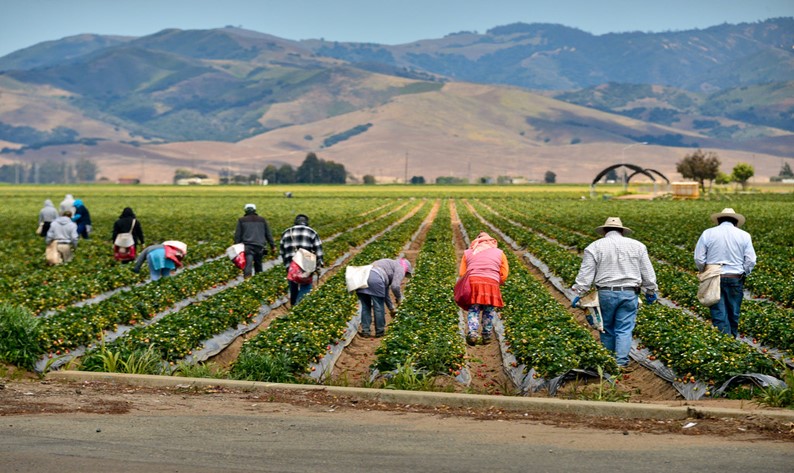
Managing modern slavery supply chain risk works best when it starts in the places where risk is most likely to arise. In higher-risk sectors such as horticulture, labour hire and logistics, those places include recruitment channels and labour hire arrangements. Recruitment is a critical point, particularly for migrant and seasonal workers, and labour hire is a key risk area, so looking closely at these two gives your team a clear starting point.
What Does Practical Due Diligence Look Like?
Practical due diligence follows a clear sequence. Your team identifies where risk could arise, assesses and prioritises it, introduces controls and puts remediation processes in place. Clear communication with suppliers and workers about modern slavery concerns supports each step. Done well, it gives you a record of what you do and why, which helps you respond to retailer and customer expectations with confidence.
Is a Training Course Right for You?
AUS-QUAL is expanding its Corporate Social Responsibility training with new courses, including modern slavery training, that build this capability. If you want a practical grounding in due diligence itself, start with Modern Slavery Due Diligence for Australian Businesses. To turn the ETI Base Code into everyday site practice, ETI Base Code Essentials for Suppliers is the stronger fit, and horticulture businesses preparing for audit can build on that with Understanding Fair Farms Standard v3.0.
If recruitment and labour hire are your priorities, explore Ethical Recruitment & Responsible Labour Practices and Labour Hire Compliance: AU & NZ Legal Obligations. If you are new to CSR, Corporate Social Responsibility for Business is a foundational course to explore today.
Ready to build your team’s confidence? Register your interest to be among the first to hear when course dates are announced.